An author friend discouraged me from going to a literary festival.
She was a top selling author with one of the big well known publishers. She had clout. She said the money I was spending to go overseas and take part in a queer book conference would be better spent buying truckloads of my own novel. This would catapult it up the Amazon charts and help people discover it.
Of course, I didn’t, but she had a point. It’s been said that a well known English musician made the charts because record company employees bought multiple copies of his single by visiting as many retailers as they could.
Over the years, I’ve tried many different ways to sell books.
At first I spent a lot of time on Goodreads. I was very social on the platform for a year or two, but it didn’t help sales. I joined Facebook and Twitter before algorithms took over. I had an American publisher and tried my best to court a US audience. I was most successful when I’d wake during the night, catching Americans early in their day, while remembering it was still yesterday where they were. Still, little or no sales.

As authors, we try countless ways for our books to be noticed. We get ourselves on any podcast we know of. We write guest blogs. We try every new social media platform which comes along. And eventually we all learn that all this effort doesn’t amount to much.
So, it’s important to let go when something isn’t working.
My Instagram account got hacked about a year ago. No one took over my identity, but the account disappeared through no action of mine. This was a relief.
It took a lot of work to make sure all promotional artwork was the right size and that videos were shortened. But the only people who liked the content were the same people who also saw that content on other socials. And they weren’t buying my books.

I posted for the last time on my Facebook author page recently.
I wrote that when I initially set it up, my posts were seen by 150 to 300 people. Eventually I was lucky if one person noticed a post because Facebook wanted money to push content into people’s feeds. So, I allowed my auto feed of blogs to fill that space, and even though I called it my ‘dead zone’ for years, I finally decided it no longer had use.
I am using my personal Facebook feed more because during Covid lock downs, my engagement grew. And I learnt that what goes into people’s feeds is of interest to them. So a book promo reaches some. A picture of home made ice cream reaches others. Plus, active author and reader pages which aren’t just promotional spaces, are a very good way to be seen.
My various social accounts look different.
I know this is against all rules of author branding, but there is a reason. I took over a writing prompt game from a friend on Twitter, and for years it has grown with a dedicated (and some not so dedicated) group of followers.

As this audience is mostly Australian and female, my Twitter promotional banner and profile pic are in pastels. It’s less showy, as Australians suffer from tall poppy syndrome. Being too bold makes you stand out in the wrong way.
Plus I’m inclined to use more video in that feed as for some reason, it’s appreciated more than on my Facebook feed.
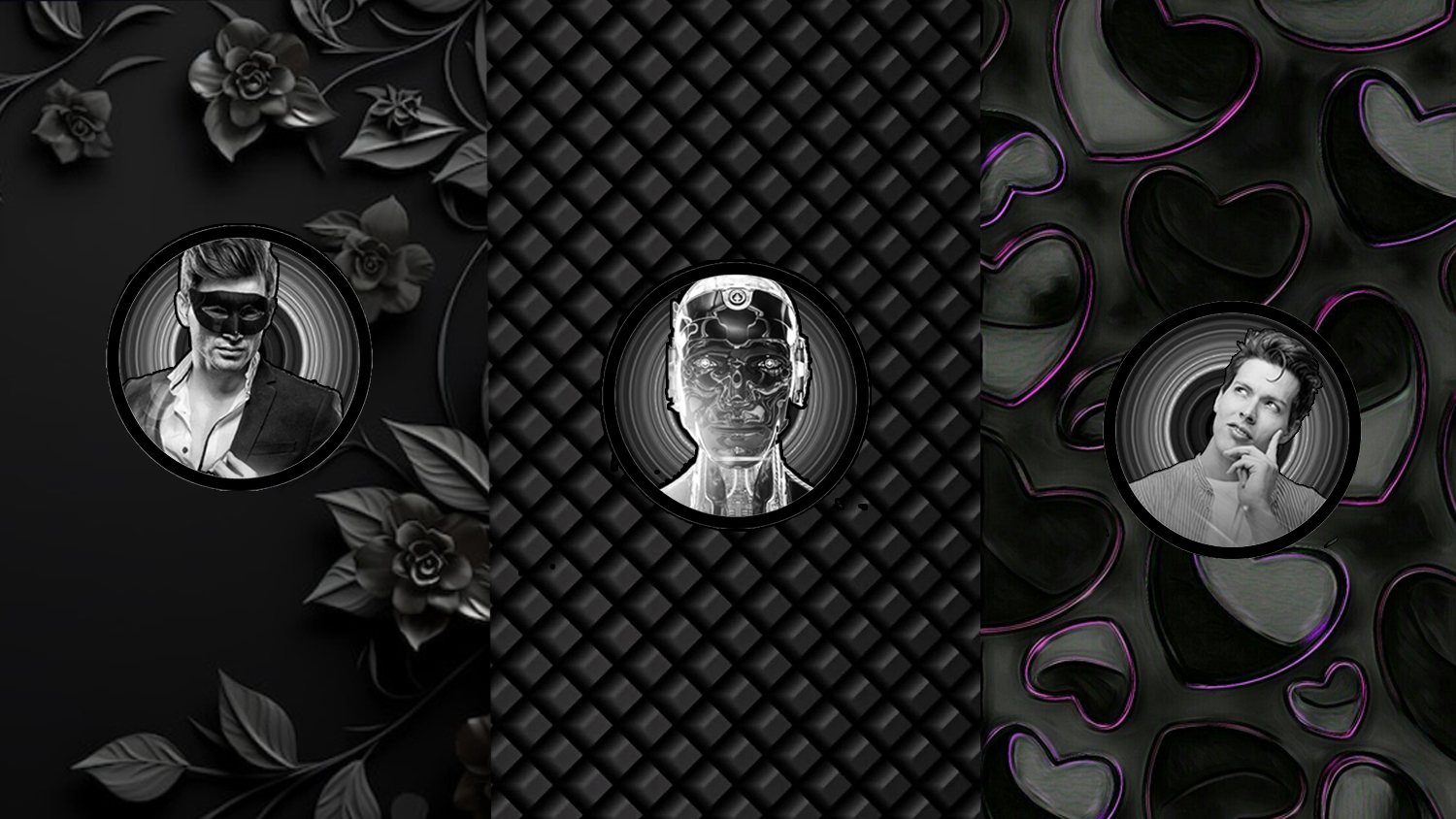
My newsletter and website homepage feature men.
The images are not of men with chiselled abs, but there is still a level of sex appeal. It’s to help identify my fiction as gay, but not as Romance. The covers provided by my publisher don’t scream gay fiction, and I’m glad they don’t. They are genre driven.
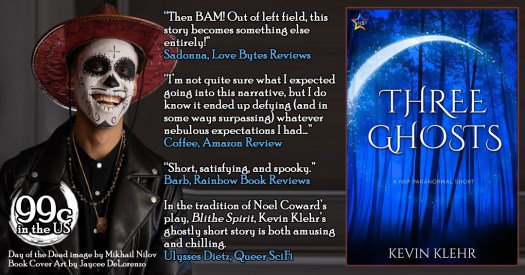
But when I noticed more clicks to the buy links for my books by using this particular promotional style in my newsletter, I incorporated the same imagery onto my website.
It’s classy. It denotes various genres. It brands it as queer fiction. And there’s universal appeal with this style.

To my detriment, I’d rather write than spend time online.
I don’t mind creating graphics or video campaigns either, but because I hardly scroll my social feeds any more, my Twitter and Facebook algorithms can’t work me out. So my feed is not as relevant as it was when I was stuck at home during lock downs.
And Facebook often presents the same post after several days just because I didn’t like it or comment on it the first time. Which doesn’t make sense because making me respond will only skew the algorithm to show me more stuff of little interest. So, I don’t scroll. I check notifications instead.
Regardless, I am finding some success.
I use Bookfunnel to cross promote my books with other authors. I publish my newsletter once a month to push these campaigns. I check Facebook groups of interest. I blog about writing and author business because I realised a long time ago, this subject is what brings readers to my site. And I keep #AusWrites going, and because I already show up in people’s feeds with their daily prompts, those people are more likely to see my non-AusWrites content.

A friend suggested I should video myself reading my blogs for YouTube. I may do that one day. I began TikTok recently to force myself to do more ‘on camera’ stuff.
But the point is, I’ve cut down my content creation to only the things that actually work, taking into consideration which audience that content is for.
That doesn’t mean I’m still not experimenting. It just means my final goal has to be to sell books, and there’s no use if my promotional efforts are simply being done out of habit.
 kevin klehr