This blog is inspired by a recent conversation with a writer friend.
He told me of an editor who believes all works should be third person and past tense. She says first person is an unreliable subjective narrative, while past tense gives the advantage of reflection.
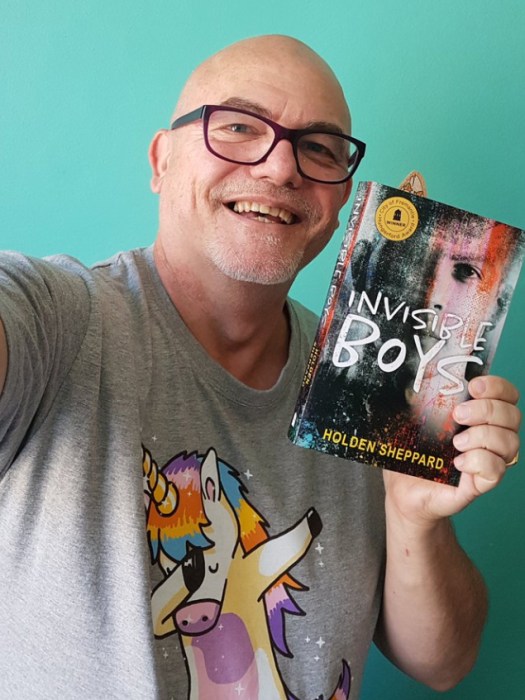
Yet Invisible Boys by Holden Sheppard is a critically acclaimed best seller, and is about to be made into a television series. It is written in first person through the eyes of three individual characters, and is in present tense.
My editor offered me a contract for a third person omnipresent work.
She is British. My publisher is based in the US. When their American proof reader went through the novel, he left multiple notes about head hopping which frankly, made me doubt the quality of my upcoming release. My editor assured me she didn’t notice any excessive use of it, and that the proof reader just didn’t understand the style the manuscript was written in.
When I canvassed opinions on social media forums I quickly learnt that third person omnipresent is not accepted by agents and publishers in the US.
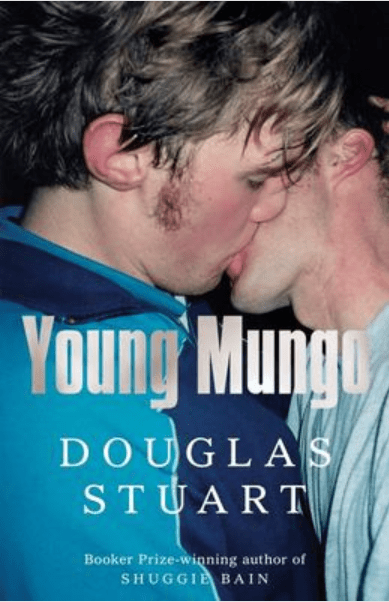
The rest of the world just didn’t get the memo because I recently read The Times bestseller, Young Mungo by Douglas Stuart. Head hopping exists in that book. As it does in many other commercially released novels I’ve read.
A person in my writing group is obsessed with one rule.
He believes you should never use ‘he said’, ‘she asked’, ‘Toby explained’, etc. All dialogue tags should be replaced with bits of action and every week at my writers’ group, he puts a red line through dialogue tags on his copy of our work.
One Facebook friend believes you should only ever use ‘said’ or ‘says’ and nothing else. And while I do go through my work before our writers’ meetings, checking where I can replace these with bits of business, I see that sometimes it makes the writing better, other times it hinders the flow.
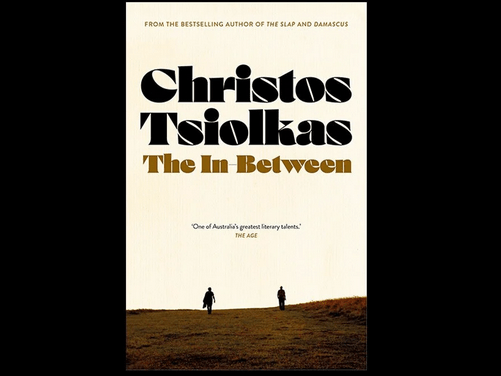
Again, in Christos Tsiolkas’ novel The In-Between (as I’m sure is the case in his other works), explained, questioned, asked, are all used as well as said.
There are definite rules you should follow.
I posted a blog long ago about the well known fact that scenes should have conflict, either internal or external. Yet someone felt the need to reply in the comments saying this wasn’t true.
A former boss of mine used to often say,
‘You need to understand the rules before you can break them.’
Over time I’ve realised how true this is in any art form. A scene can also keep the reader invested if it reveals important information, or is comedic, but you should still find the conflict in these scenes to keep the reader turning the page. Otherwise, you have to be pretty clever to break this one.
My own golden rule was shared with me at a writing workshop.
It is, once you finish a draft, set it aside for at least three months. Then print it out in a font you’ve never seen it in and sit and read it straight through over a couple of days with red pen in hand.
You will see where you have overwritten, or underwritten. You will see where you slow down the pace, or have an underdeveloped character. You will even see if your use of ‘said’ or ‘asked’ or any other similar tag, is overused. You may even change the tense and point of view as I did with a recent project.
Everyone’s writing journey should be an ongoing process of learning.
It should never be an individual’s attempt to dispel what’s been done in the past to make them feel important.
 kevin klehr