Some freaky things are happening.
Authors are receiving emails with AI generated praise to convince them to sign up for paid promotions. Several of us have been comparing these in online writers’ groups. Two popped into my inbox in just as many days and they sound like this:
I just finished reading about Drama Queens and Devilish Schemes, and I have to say what a delightfully original and emotionally layered story! You’ve managed to balance humour, heartbreak, and the supernatural with such effortless charm. Adam’s afterlife adventure, Guy’s flawed yet lovable chaos, and the blend of whimsy and truth at the heart of it all make your storytelling truly stand out.
We can instantly tell that AI has been scraping favourable reviews in order to sound like a person who has read one of our books.
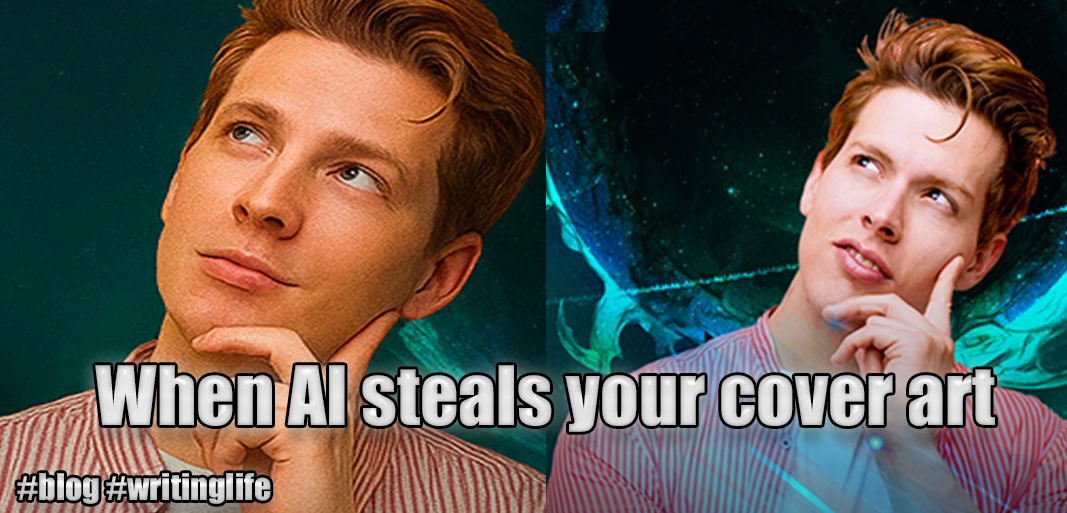
But something even stranger happened to me on Instagram.
A fake account created AI generated publicity on my behalf, posted it on their page, then offered it to me while asking for a favourable review. They didn’t even get my name right. Nowhere near right.
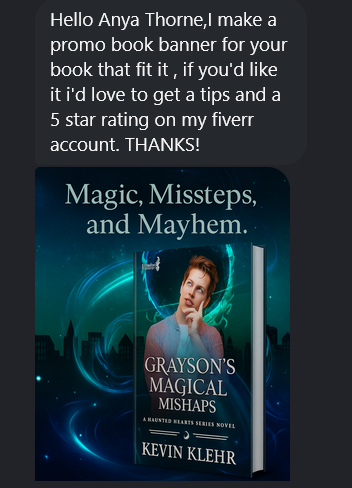
This felt as spooky as the images it created.
I generally spend less time on social media these days. My Facebook feed is full of ‘suggested for you’ posts and ads, while I keep getting fake accounts friend me. BlueSky often has false accounts impersonating real authors, which once you ‘follow’ you are instantly private messaged with the same bland text – “it’s great to meet another fellow author” or “what is your book about?”
Writers don’t say these things online as we communicate with fellow authors often , or we have the good sense to know what an author writes before we follow them.
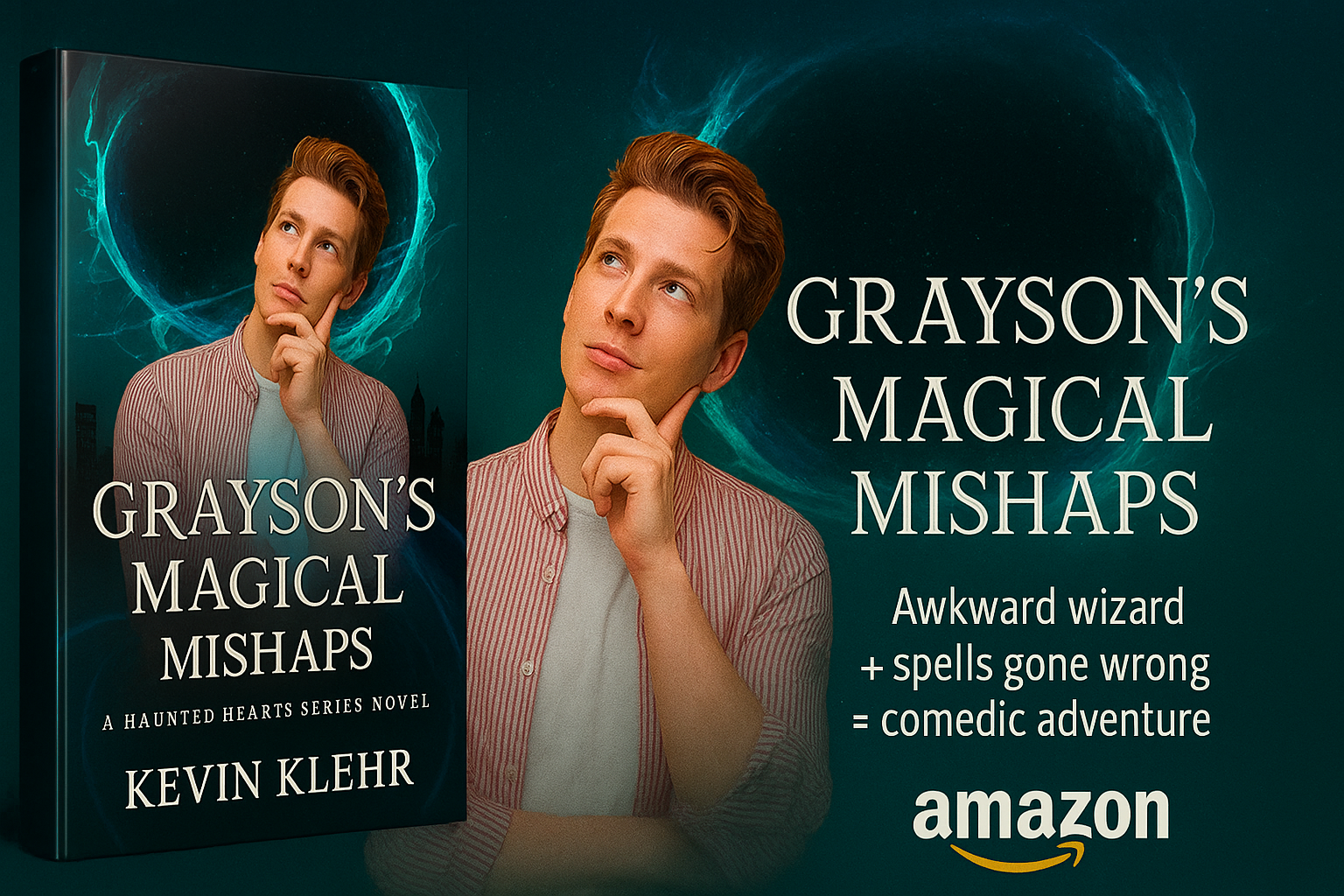
However, this is an interesting example of how AI thinks.
It lives outside our realm, unaware how completely wrong this is. It can’t cut and paste the real cover so it recreates it, possibly improves it in its own mind, thinking it’s doing good. The real cover, created by Samrat Acharjee, is pictured below. If you compare the two AI ones, the recreation in the email is close and includes the open mouth. The second (above) is a total recreation. Even the curl on the forehead sits to the side while the one on the reimagined cover (in the same fake promotional graphic) can hardly be seen.
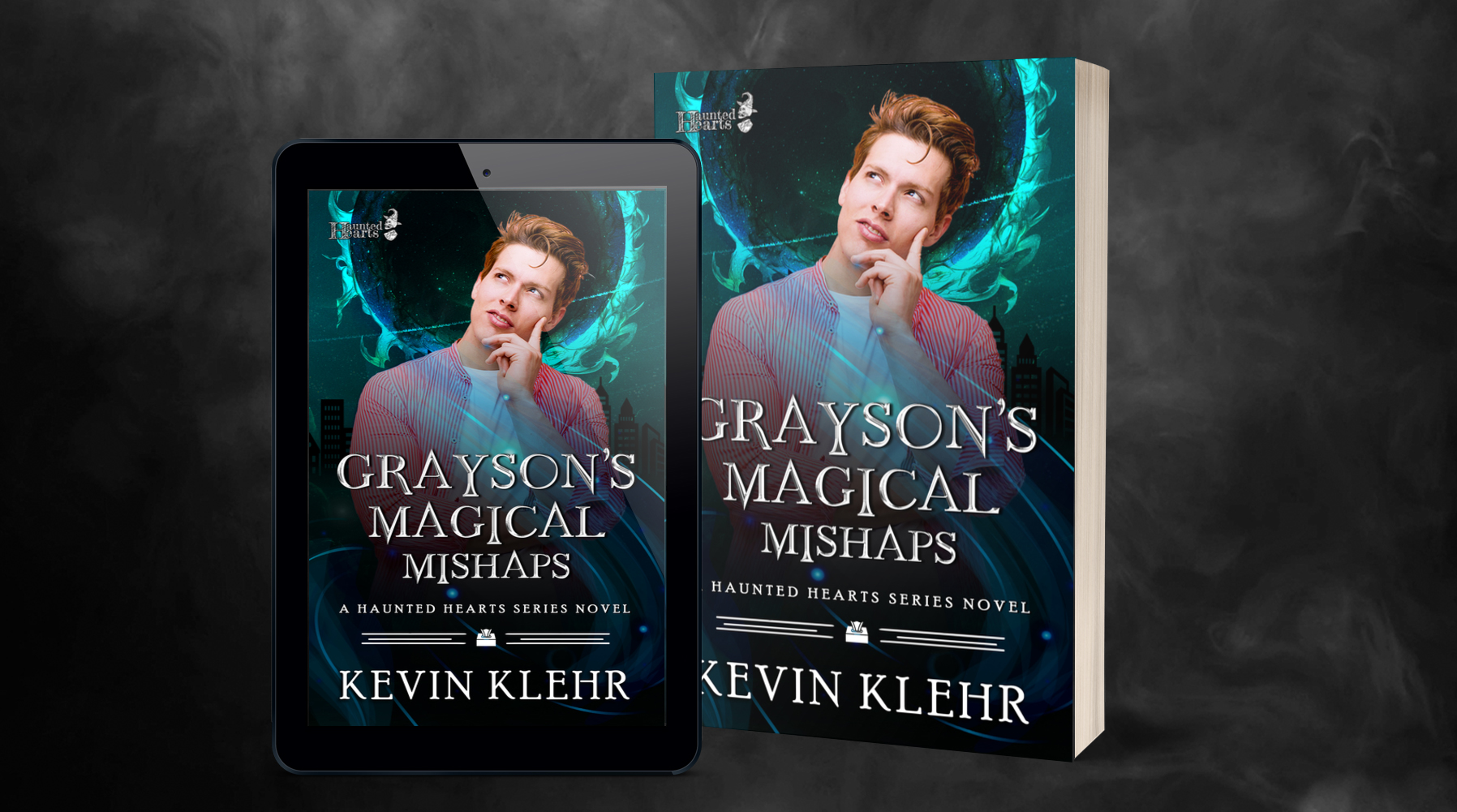
I wonder if AI will improve?
Will it have the nous to pass itself off as a human, understanding what is normal behaviour and what is just damn freaky? If it does, will it know not to do this, or will it duplicate a book cover perfectly, understanding that there can’t be multiple versions of the same art?
Whatever happens, most of us are watching it unfold and asking, “What’s the point?”
 kevin klehr