
Last week I did my second Literary Speed Dating event.
This event was online unlike the previous one I did. Back then I joined a large number of eager authors waiting in line to impress representatives from publishing houses. We rehearsed our spiel, performed for an acquisitions editor, answered questions, then joined the next queue hoping someone would give us a book contract.
While I loved the social aspect, doing it one to one through Zoom felt more personal.
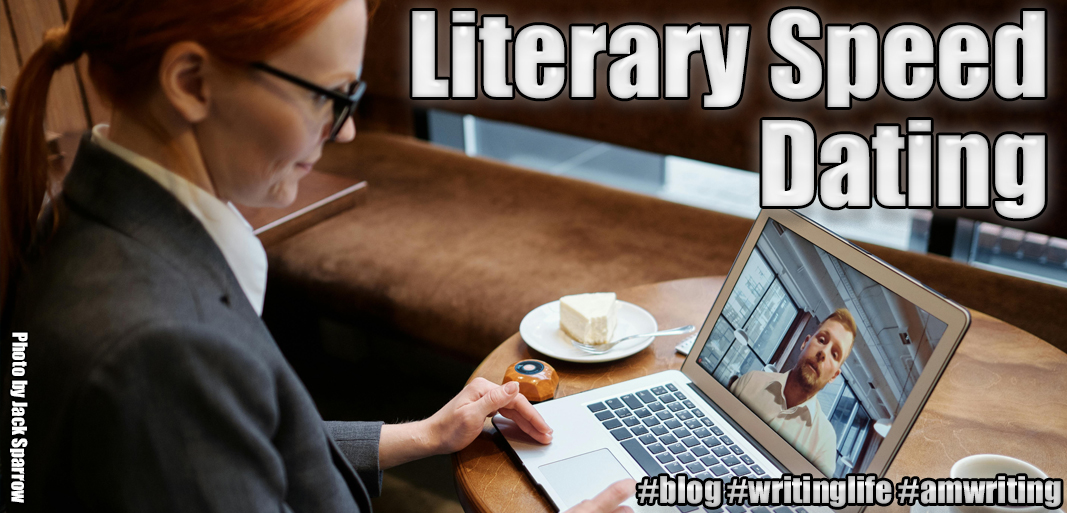
We were only allowed to pitch to two people. Writers who had completed the organiser’s pitching course had first choice before options were open to everyone else two days later. So when I booked, I missed out on my second preference.
But I had my first choice and my backup.
My first choice was a publishing house an author advised me to pitch this particular manuscript to. This writer was my trainer for a submissions course I completed last year, so I kept an eager eye on the press she suggested for their open submissions call. There was no open call last year so when I saw they were part of this speed dating event, I was glad I could still secure a booking.
The other was an agent who, like me, had worked in television. Now, I didn’t have time to properly research the people she represented before I chose her, but when I did, I felt I was punching above my weight.
In fact, I was going to cancel my meeting with her.
Both my husband and a good friend told me not to. They said I often underestimate myself, so I kept the appointment, then did further research by watching a literary panel she’d been part of.
The organisers of the event gave advice on how we should prepare our three-minute pitch. In the first ninety seconds we had to mention our intended audience, give a brief synopsis, and reference comparison titles that those we were pitching to, represented. The next thirty seconds was about explaining what drove us to write this novel, highlighting the personal aspects we bled onto the page. The following forty-five seconds had to be about our credentials as authors. The last fifteen were for questions.
I downloaded ebooks of my two comparison titles.
I had no idea how to pronounce the surname of the author who wrote one of those books, and there were no audio interviews with her online. I sent her a note through her website and she replied, spelling it out phonetically, while also wishing me luck with my pitch.
Leading up to the event, I revamped the home page of my website, adding three reviews from a respected Australian speculative fiction magazine. Plus I added video book reviews to my socials, so if these representatives researched me, they could see how I presented myself.
On the day, the organisers did something clever with Zoom.
The agent was my first appointment and after brief introductions, the screen went black. This way I could present without trying to read her face, keeping my nerves intact. When the video feed returned, she looked genuinely impressed. She even told me I did a really good pitch. After a few quick questions, this initial session was over. I was on cloud nine.
Fifty minutes later it was time to impress the acquisitions editor. After my presentation, her smiling face returned to my screen but I could tell I didn’t win her over. She mentioned how the story I was pitching wasn’t my usual genre. I was pleased she did her homework, giving me a sense that maybe there was some interest.
In the end, neither wanted to see my manuscript.
Like all rejections, this was a tough blow. Even more so as I’ve been holding out to submit to the publishing house for the best part of a year. My research into their titles helped me understand why that tutor thought I’d be a good fit.
Rejection always stings. I guess it’s time to revisit this manuscript, research more publishers with good distribution, and wait for open calls.
I’ve always believed in this work, and I even abandoned a writing project last year because my gut kept nagging me to get this manuscript submission ready.
Now I just need a representative who believes in this novel as much as I do.
AFTERTHOUGHT: I’m adding this about a week after writing this blog. Just like any author, I’ve dusted off that sting of rejection and reflected. This experience has added to my understanding of the publishing industry which has been part of my writing journey for the last few years.
Even though I have a publisher, I’ve done a couple of courses refreshing my knowledge of the submission process. That same author/trainer I mentioned in this blog told us that she’s seen many good manuscripts passed on. It was the last thing she said, so we wouldn’t be disheartened.
A while back a publisher who rejected encouraged me to submit again. Most don’t. Another was honest and said they’re focussing on authors from their country, even though that wasn’t listed on their site.
I guess I’ve gone down this road too far to turn back, and on reflection, I know much more about various publishers and what they’re looking for. And I already have an idea on how to be more strategic.
 kevin klehr